Television has changed a lot over the last few years. Many people no longer want to depend only on traditional cable or satellite TV. Instead, viewers are looking for flexible, affordable, and easy ways to watch their favourite content.
This is where IPTV Australia comes in. IPTV allows television content to be delivered through an internet connection, giving viewers access to live channels, sports, movies, TV shows, and on-demand entertainment.
The growth of smart TVs, fast internet, and streaming devices has made IPTV more convenient than ever. For many Australian viewers, it represents a new way to enjoy television with greater flexibility.
IPTV Australia means television delivered through the internet rather than traditional broadcast, cable, or satellite systems. Instead of receiving a TV signal through a dish or cable connection, IPTV sends video content through an internet connection.
This simple change gives viewers more control over how and where they watch television.
Depending on the provider and subscription, IPTV services may offer:
The exact content and channel selection can vary between providers, so it is important to check what is included before choosing a service.
An IPTV subscription Australia plan normally provides access to a collection of television channels and other streaming content for a set period.
Subscriptions can vary in price, length, quality, and features. Some may focus on Australian channels, while others include international content as well.
Before choosing an IPTV subscription, we should look at:
Choosing a subscription based on our actual viewing needs can help us avoid paying for features we do not use.
The biggest change in modern television is that viewers now expect more control.
Traditional television follows a fixed schedule. IPTV and other internet-based services can offer more flexible ways to watch content.
Viewers can use compatible devices to watch entertainment at home, while travelling, or in different rooms.
This flexibility is one of the main reasons internet-based television continues to attract attention.
One major benefit of IPTV can be the variety of content available through a single platform.
Instead of switching between different sources, viewers may find live TV, movies, sports, and on-demand programs in one application.
For example, a family might use the same service for:
This makes the viewing experience simple and convenient.
Sports are an important part of television in Australia. Fans follow competitions such as AFL, NRL, cricket, rugby, football, tennis, and motorsports.
IPTV can provide access to sports channels and international sports programming, depending on the provider's content rights.
For sports fans, the main advantage is having a wide range of sports content available through an internet-connected device.
However, we should always check whether a provider is legally licensed to distribute the channels and events it offers.
Modern IPTV fits naturally into the smart-home environment.
Depending on the service, IPTV applications may work with devices such as:
This means viewers are not necessarily tied to one television.
A user can watch on a large Smart TV at home and use another compatible device when away from the television.
Picture quality is another important part of modern streaming.
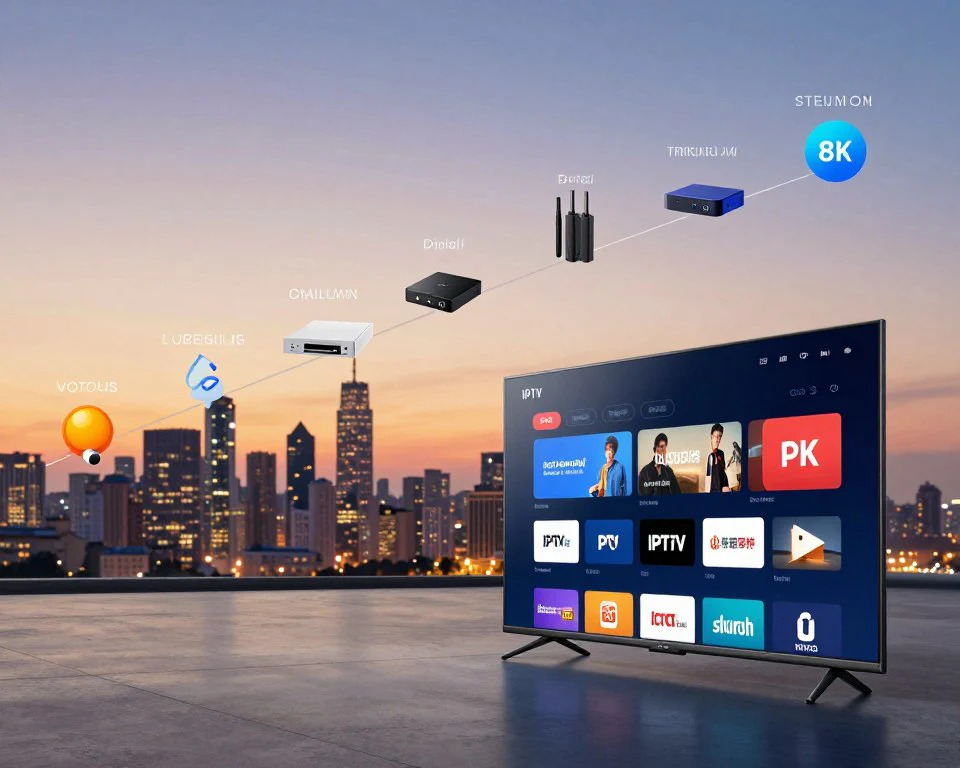
Many IPTV services advertise different video qualities, including:
However, the actual quality depends on several factors. These include the provider's infrastructure, the video source, the streaming application, the device being used, and the user's internet connection.
A fast and stable internet connection is especially important for high-resolution streaming.
IPTV relies on the internet, so connection quality can have a direct effect on the viewing experience.
Slow or unstable internet can cause:
For a smoother experience, we should use a reliable broadband connection and, where practical, connect a television or streaming device through Ethernet or a strong Wi-Fi connection.
One of the biggest differences between traditional television and internet-based streaming is flexibility.
With compatible IPTV services, viewers can potentially enjoy content across different devices without needing a traditional satellite installation.
This can be especially useful for people who:
The ability to stream through an internet connection makes television more adaptable to modern lifestyles.
Live television is only one part of the IPTV experience.
Many IPTV platforms also provide Video on Demand, commonly known as VOD. This allows viewers to select movies and TV programs from a library rather than waiting for them to appear on a live channel.
VOD can include categories such as:
The size and quality of the library depend on the provider and its content rights.
A good Electronic Program Guide, or EPG, makes it easier to understand what is currently playing and what is coming next.
Instead of guessing which program is available, viewers can browse the schedule directly through the IPTV application.
An EPG can help users:
This makes a large channel list much easier to manage.
The growing number of IPTV services means we need to compare providers carefully.
A good checklist includes:
Make sure the service offers the channels and programs you actually want.
Confirm that the service works with your Smart TV, streaming device, phone, or computer.
Check whether the provider supports the video quality you need.
Good customer support can be useful when setting up an application or solving technical problems.
Do not choose a subscription based only on the lowest price. Compare the features included in each plan.
Choose services that have the appropriate rights and permissions to distribute the content they provide.
A large channel list means little if the service does not perform well.
A reliable provider should offer stable access, good infrastructure, and clear information about its service.
Before subscribing, we should look for independent customer feedback and carefully review the provider's terms.
It is also useful to understand what happens if a channel becomes unavailable or if technical problems occur.
Television is already becoming more internet-focused. Smart TVs, streaming applications, connected devices, and faster broadband have changed the way people consume entertainment.
IPTV is part of this larger shift toward internet-based television.
Rather than relying on one traditional method, viewers now have more ways to access content. This gives consumers greater choice and encourages entertainment providers to improve their services.
The future of IPTV will likely be influenced by improvements in internet speeds, smart devices, streaming technology, and viewer expectations.
We can expect modern viewers to continue looking for:
As technology improves, internet-based television can become an even more important part of home entertainment.
The smart streaming revolution is changing the way Australians watch television. IPTV Australia offers a flexible way to access live TV and on-demand entertainment through an internet connection.
An IPTV subscription Australia can provide access to a wide range of channels and content, depending on the provider and its licensing arrangements. With support for Smart TVs, streaming devices, smartphones, tablets, and computers, IPTV fits well into today's connected homes.
The key is to choose a reliable and legally authorized provider, compare available features, and make sure the service works with your preferred devices and internet connection.
For viewers who want flexibility, variety, and modern streaming technology, IPTV represents an important part of the changing television landscape.

This post has been authored and published by one of our premium contributors, who are experts in their fields. They bring high-quality, well-researched content that adds significant value to our platform.









Paris in France is your trusted source for Paris travel guides, cultural insights, attractions, lifestyle articles, and local experiences. Explore the beauty and charm of Paris with us.