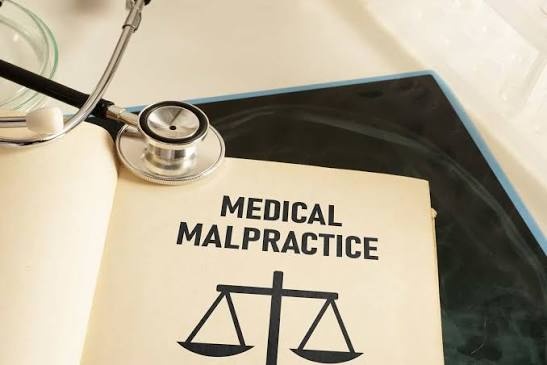
Medical treatment is intended to improve a person's health, but mistakes in diagnosis, treatment, medication, surgery, or patient monitoring can sometimes lead to serious harm. When an injury may have resulted from negligent medical care, patients and their families often need to understand what happened and what options may be available.
For people dealing with a potentially preventable medical injury, medical malpractice lawyers in florida can provide guidance on the legal issues surrounding a possible claim. However, not every unexpected medical outcome constitutes malpractice. A successful claim generally requires evidence that the healthcare provider failed to meet the applicable standard of care and that the failure caused harm.
Medical malpractice generally involves professional negligence by a healthcare provider that causes injury to a patient. The issue may involve a doctor, surgeon, hospital, nurse, anesthesiologist, or another healthcare professional, depending on the circumstances.
Potential examples include:
These situations must be evaluated based on the facts of the individual case. A medical complication or unsuccessful treatment does not automatically establish negligence.
One of the most important questions in a malpractice case is whether the healthcare provider's conduct departed from the applicable standard of care.
For example, a patient may suffer complications even though a physician followed accepted medical practices. In another case, a provider may fail to investigate obvious warning signs or disregard important diagnostic information, potentially contributing to an avoidable injury.
Causation is equally important. Even when a healthcare professional made an error, a potential claim generally requires evidence connecting that error to the patient's injury or damages.
This is why reviewing the complete medical history is often more useful than focusing on a single appointment or event.
Medical malpractice can take different forms, and some cases involve more than one type of alleged error.
Misdiagnosis and delayed diagnosis: A condition may become more difficult to treat when warning signs are missed or appropriate testing is delayed.
Medication errors: Incorrect prescriptions, dosages, drug combinations, or administration can potentially result in serious injuries.
Surgical errors: Mistakes before, during, or after surgery may require additional procedures and extended recovery.
Anesthesia errors: Inadequate monitoring, incorrect administration, or other anesthesia-related mistakes can result in serious complications.
Birth injuries: Errors involving pregnancy, labor, delivery, or newborn care may have consequences that require long-term treatment.
Failure to monitor: Patients with serious conditions may require appropriate observation and timely intervention when their condition changes.
Each type of case involves different medical and legal considerations.
Medical records can provide a detailed account of a patient's treatment. They may show what symptoms were reported, which tests were ordered, what results were available, and how providers responded.
Important documents may include:
Patients should also preserve medical bills, rehabilitation records, employment documentation, and other evidence showing the impact of an injury.
A complete timeline can help legal and medical professionals evaluate whether the care provided was appropriate.
Medical malpractice cases often involve complex questions about professional standards and causation. For this reason, qualified medical experts may be necessary to evaluate the treatment.
An expert can examine medical records and determine whether the provider's actions were consistent with accepted practices. The expert may also assess whether the alleged negligence contributed to the patient's injury.
This distinction is important because legal claims cannot generally be based solely on the fact that a treatment did not produce the expected result.
Healthcare continues to change in 2026, with hospitals and medical practices increasingly relying on electronic health records, digital monitoring, advanced imaging, telehealth, and technology-assisted clinical decision-making.
These developments can improve communication and provide healthcare professionals with more information. At the same time, they create increasingly detailed records of patient care.
Electronic documentation may help establish when test results became available, when medications were administered, when symptoms were recorded, and how providers responded. However, technology does not replace professional judgment or eliminate the possibility of human error.
Patients who believe they have been harmed by medical negligence should first make sure they receive appropriate medical attention. A second medical opinion may help clarify the nature of an injury and determine what treatment is needed.
It is also helpful to preserve relevant medical documentation and maintain a record of subsequent treatment, expenses, missed work, and other consequences.
Avoid making assumptions based solely on an unexpected outcome. Instead, allow qualified medical and legal professionals to review the circumstances.
If an alleged medical error has resulted in significant injury, additional treatment, long-term impairment, or substantial financial losses, consulting medical malpractice lawyers in florida may help you understand whether your circumstances warrant further investigation.
An attorney can review the available information, identify potential legal issues, and determine whether expert medical review is appropriate. They can also explain the procedures and deadlines that may apply to a potential claim in Florida.
Because medical malpractice cases can involve detailed medical evidence and specific legal requirements, obtaining guidance early may help preserve important information and clarify available options.
Experiencing a serious medical injury can be overwhelming, particularly when you are uncertain about whether the harm could have been prevented. Understanding the difference between an unavoidable complication and negligent care is an important first step.
Patients can protect their interests by obtaining appropriate medical treatment, preserving records, documenting financial and personal consequences, and seeking qualified legal guidance when necessary.
A careful review of the medical evidence can help determine whether the applicable standard of care was followed and whether a provider's actions contributed to the injury. With the right information, patients and families can make more informed decisions about their next steps.

This post has been authored and published by one of our premium contributors, who are experts in their fields. They bring high-quality, well-researched content that adds significant value to our platform.










Paris in France is your trusted source for Paris travel guides, cultural insights, attractions, lifestyle articles, and local experiences. Explore the beauty and charm of Paris with us.